
Why Communication Habits Matter So Much in a Relationship
Welcome to another article of Beingbetter!
I’m truly happy and confident to share these insights—because they’ve played a powerful role in shaping my own relationship into a stronger, more emotionally mature bond.
Honestly, there was a time when I approached our relationship with a lot of immaturity.
I didn’t fully understand how deeply my words, reactions, or silence could impact our connection. We lost precious moments to misunderstandings that could’ve easily been avoided.
Thankfully, my partner and I began to read, reflect, and more importantly—practice.
And what followed was transformational.
It wasn’t an overnight change, but the growth we’ve experienced is something I’ll always be grateful for.
That’s why I’m sharing these lessons with you today—written in the most relatable and easy-to-follow way.
I genuinely hope these ideas help you deepen your connection and bring more love, clarity, and peace into your relationship.
1. Not Listening Properly
Listening isn’t just about hearing words—it’s about showing up. When couples practice active listening, they create emotional safety. It says:
“I care about what you think. I value how you feel. I’m here with you.”
That kind of presence? It builds trust.
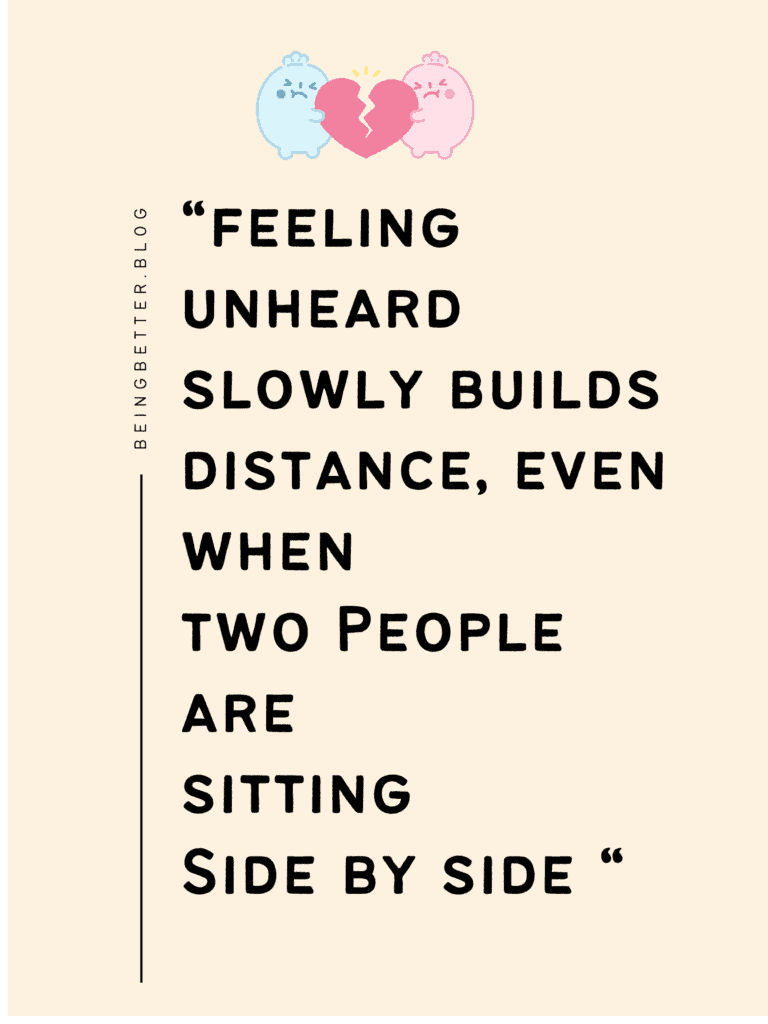
But when listening is missing—especially for days, weeks, or even months—it creates subtle but painful distance.
Short-Term Effects of Poor Listening:
- Small misunderstandings turn into unnecessary arguments
- Your partner feels unheard or dismissed
- Emotions get bottled up, leading to passive-aggressive behavior or sudden outbursts
Long-Term Effects:
- Emotional intimacy fades
- One or both partners stop sharing vulnerable thoughts
- Resentment grows quietly in the background
- You begin to feel like “roommates” instead of a connected couple
It’s not always intentional. There are a few common reasons we tune out, such as:
- Mental overload – Juggling work, family, kids, and stress makes it hard to focus
- Assumptions – Thinking you “already know” what they’re going to say
- Distraction – Scrolling your phone or multitasking while they talk
- Being in defense mode – Listening to reply instead of understanding
How Your Partner Might Feel When You Don’t Really Listen
- Like their words don’t matter
- Emotionally alone, even when you’re physically there
- Frustrated or invisible
- Less likely to open up in the future
And once someone stops opening up, emotional closeness begins to fade.
How to Practice Active Listening in a Simple, Loving Way
It doesn’t take hours of deep conversation—just consistent presence.
Here’s how to start:
✅ Put the phone down – A quick glance at your screen can feel like rejection
✅ Make eye contact – It’s a quiet way of saying “I’m here with you.”
✅ Stop rehearsing your response – Just listen. Pause before replying.
✅ Reflect what you hear – Try: “So you’re feeling frustrated because…?”
✅ Ask open-ended questions – Like “What do you need from me right now?”
✅ Use gentle body language – Nod, turn toward them, and stay relaxed
✅ Validate their feelings – Even if you don’t agree, say “That makes sense.”
2. Interrupting or Talking Over Each Other
Maybe you’re excited. Maybe you’re trying to explain your side. Or maybe, you just really want to fix the problem.
But here’s the thing—interrupting, even with good intentions, often sends the wrong message.
What It Feels Like to Be Interrupted
It might seem small in the moment, but when it happens often, it starts to feel like:
- “My thoughts don’t matter.”
- “I’m not being heard.”
- “Why bother opening up if I can’t even finish?”
Over time, this creates emotional distance. One partner shuts down. The other feels frustrated. And communication slowly starts to erode.
Why Do Couples Interrupt Each Other?
- Wanting to fix the issue quickly
- Trying to explain your perspective right away
- Being emotionally charged or defensive
- Feeling anxious about not being understood
- Thinking you’re helping finish their sentence
Why Interrupting Hurts the Relationship
- Conversations turn into debates or arguments
- Partners feel frustrated, defensive, or shut down
- One person ends up dominating the dialogue
- Emotional intimacy fades
- One partner stops sharing fully to avoid being cut off
How to Build the Habit of Respectful Listening
✅ Pause before replying – Even 2 seconds of silence shows you’re listening
✅ Let them finish completely – Wait until they pause or ask for your thoughts
✅ Breathe before you speak – This calms your reaction and invites empathy
Respectful communication is a two-way street—letting someone finish their thought is one of the simplest ways to say:
“I respect you. I care about what you have to say.”
3. Using Blame-Focused Language
Ever said something like:
- “You never listen.”
- “You always make me feel stupid.”
- “It’s your fault we’re like this.”
If yes, you’re not alone. We say these things when we’re hurt, overwhelmed, or just want to be heard.
But blame-focused language? it often shuts the other person down.
Why Blaming Language Damages Communication
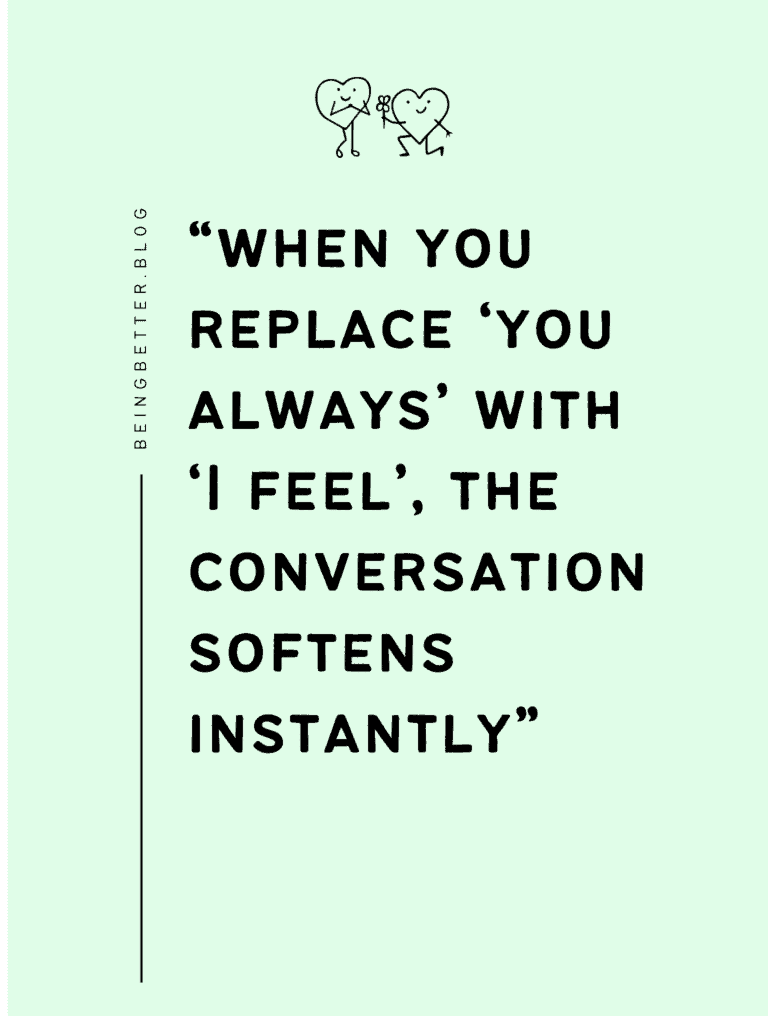
When you start a sentence with “You always…” or “You never…”, you’re not just expressing your feelings—you’re pointing a finger.
And what happens when someone feels accused?
They get defensive. They argue. They try to prove you wrong instead of trying to understand what you’re actually feeling.
Suddenly, instead of solving a problem together, you’re both stuck in a loop of:
- Defending yourselves
- Throwing past mistakes at each other
- Walking away more disconnected than before
What Blame Sounds Like vs. What It Feels Like
- “You don’t care about me.”
- “You never do anything right.”
- “You’re just like your dad/mom.”
How It Feels to Hear Them:
- Attacked
- Misunderstood
- Like they can’t do anything right
- Pressured to defend rather than listen
I remember once telling my partner, “You never help me when I really need it.” He immediately pushed back with a list of everything he had done. It turned into a debate instead of a connection.
The Power of “I” Statements
Talk about how you feel, not what they did wrong.
Using “I” statements puts the focus on your experience, not their flaws.
It invites empathy and reduces defensiveness.
- “I feel hurt when I don’t feel included in your decisions.”
- “I feel exhausted when I take care of the kids alone every evening.”
- “I feel distant when we go days without really talking.”
This small change can soften the entire tone of the conversation.
Blame Creates Walls. ‘I’ Statements Build Bridges.
Want a better connection? Try this approach:
🔹 Notice your emotions before speaking
🔹 Avoid generalizations like “always” or “never”
🔹 Talk about your need instead of their mistake
🔹 Stay calm—tone matters as much as the words
At the heart of every relationship is the desire to feel seen, safe, and understood.
Blaming pushes us apart.
Honest, gentle language brings us closer.
4. Bottling Things Up
Unspoken feelings don’t disappear—they stack up.
And over time, they turn into resentment, distance, or even silent anger that no one can quite explain.
Why We Bottle Things Up
There are many reasons people hold back in relationships, like:
- Fear of conflict or rejection
- Not wanting to hurt the other person’s feelings
- Believing it’s “not worth the drama”
- Hoping the issue will just go away
- Feeling like they won’t be taken seriously
Why Bottling It Up Backfires
- You feel anxious, unappreciated, or lonely
- The same issue keeps bothering you quietly
- Emotional walls start to go up
- Resentment builds up
- Emotional disconnection sets in
- You might explode unexpectedly or shut down completely
- Your partner feels confused or helpless, not knowing what’s really wrong
How to Open Up Without Causing a Fight
Healthy communication doesn’t mean dumping every emotion at once—it means sharing honestly, gently, and early.
Try these soft start phrases:
- “Can we talk about something I’ve been feeling lately?”
- “I know this might seem small, but it’s been on my mind.”
- “I want to share something—not to blame, just to be honest.”
Use “I feel” instead of “You did”
Build a Relationship Where Sharing Feels Safe
To stop bottling things up, you both need to feel safe expressing yourselves.
You can:
- Set aside regular check-in times
- Create a “no judgment” rule during talks
- Show appreciation when your partner opens up
- Listen without interrupting or fixing right away
5. Stonewalling or Silent Treatment
What Stonewalling Looks Like
- Walking away mid-conversation
- Saying “I’m fine” when not
- Shutting down emotionally
- Avoiding eye contact, replies, or physical closeness
- Giving the cold shoulder for hours—or days
Why It Hurts the Relationship
Creates Emotional Distance:
Your partner is left alone in the tension. They don’t know how you feel, what you need, or whether the relationship is even okay.
Shuts Down Communication:
No matter how well the other person tries to talk things through, it feels like talking to a wall.
Triggers Anxiety and Mistrust:
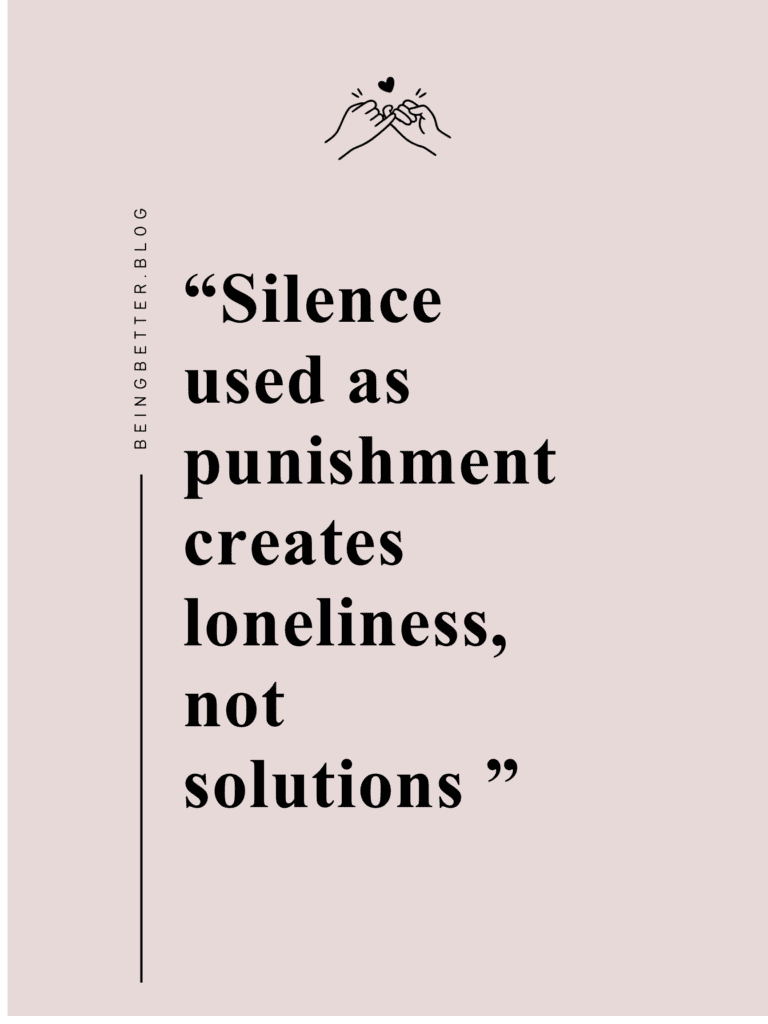
Being shut out by someone you love can feel like punishment. It makes the other person feel invisible and confused.
What to Do Instead: Take a Pause, Not a Walkout
It’s okay to take a break when you’re overwhelmed.
But the key is communication—letting your partner know you will come back to the conversation.
✅ Try saying:
- “I need a few minutes to calm down. I’m not walking away—I just need space to think.”
- “This is important to me. I just need to cool off so I can respond, not react.”
- “Can we take a 20-minute breather and talk again?”
The promise to return brings safety and reassurance.
And make sure you follow through.
Coming back to the conversation shows maturity, commitment, and emotional respect.
How to Repair After Silent Treatment
If stonewalling has happened before, talk about it outside of conflict moments.
Ask each other:
- “What do you need when things get tense?”
- “How can I give you space without making you feel abandoned?”
- “What helps you feel safe to re-engage?”
Remember: Silence Can Be Louder Than Words
But it doesn’t have to be.
💬 A gentle, “Let’s pause and come back”
is far healthier than
❌ a cold shoulder and a slammed door.
Healthy couples fight sometimes. Strong couples repair always.
It’s not about never needing space—it’s about how you take it, and how you come back.
6. Poor Timing
Even the most heartfelt concern can fall flat—or spark an argument—if the timing is off. Because when someone’s mind is elsewhere, they can’t fully hear you, no matter how right you are.
Why Timing Matters More Than We Think
It’s not just what you say that matters—it’s when.
If your partner is:
- Tired
- Distracted by work
- Hungry or overwhelmed
- Already emotionally drained
…even the calmest conversation can feel like pressure or nagging.
And when we feel unheard or brushed off, we tend to assume, “They don’t care.” But often, they simply aren’t in the right headspace to respond thoughtfully.
What Poor Timing Looks Like in Real Life
- Bringing up financial stress after a long workday
- Talking about relationship concerns during a family event
- Asking deep questions while they’re on their phone or watching TV
- Starting a heavy talk when one of you is about to fall asleep
How to Choose the Right Time
✅ Try saying:
- “Hey, is now an okay time to talk? I’ve got something on my mind.”
- “No rush, but I’d love to talk later when we’re both more relaxed.”
- “Can we set aside 15 minutes tonight to check in with each other?”
This shows respect for their mental state—and increases the chances of actually being heard.
Quick Tips for Better Timing:
- 📅 Schedule tough conversations if needed.
- ☕ Use relaxed moments—over coffee, a walk, or during quiet evenings.
- 🕰 Don’t corner someone with a big talk when time is short.
- ❤️ Lead with care: “This is important to me, and I want us to have space for it.”
You deserve to be heard—and they deserve a chance to hear you well.
7. Not Expressing Appreciation
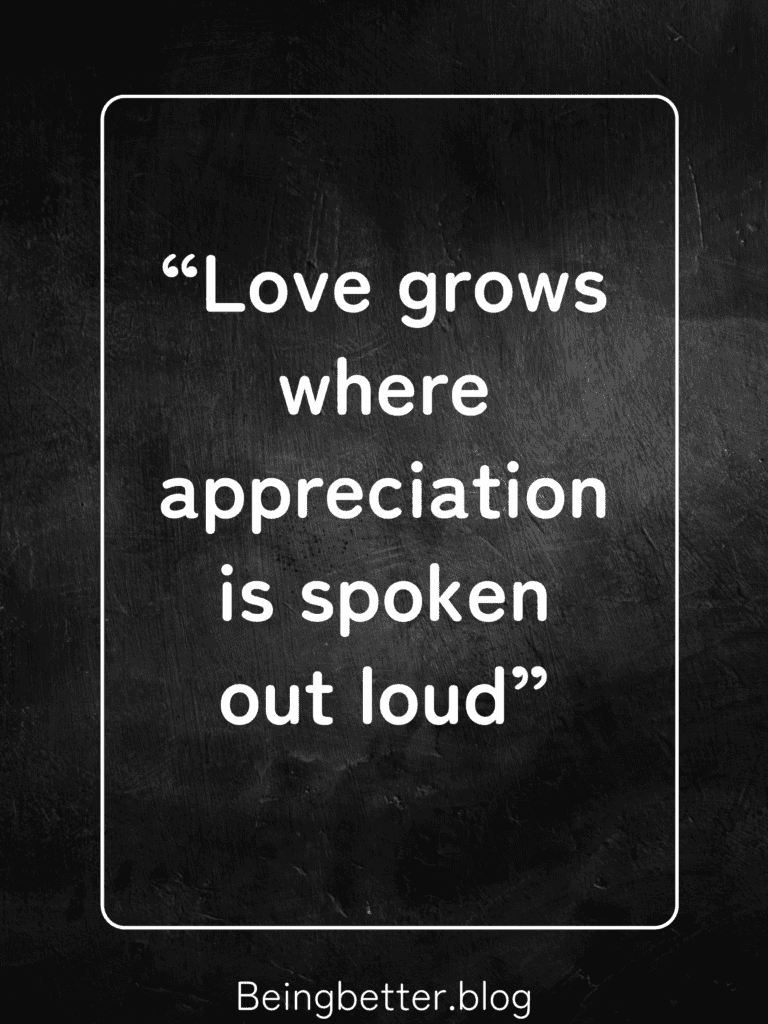
We all want to feel valued. Even in the smallest ways.
It’s not about grand gestures—most love is lived in the everyday moments.
- Making you coffee before work
- Picking up the kids
- Sitting next to you in silence when you’re having a bad day
When those things go unnoticed, your partner may start to wonder: “Do they even care?”
What Happens When Appreciation Is Missing
💔 Resentment builds: One partner feels taken for granted.
💔 Criticism becomes the default: Conversations start to sound like complaints.
💔 Emotional distance grows: Without kindness, love starts to feel like a duty instead of a choice.
What Appreciation Looks Like (and Sounds Like)
✅ Say things like:
- “Thanks for folding the laundry. I noticed.”
- “I really appreciate how calm you were when I got overwhelmed.”
- “You’ve been working so hard lately. I admire that.”
✅ Try small acts of love:
- Leave a note on their pillow
- Text them a compliment during the day
- Celebrate their efforts—even if the outcome wasn’t perfect
Quick Ideas to Build a Habit of Appreciation:
- 🌟 Share one thing you’re grateful for about each other before bed
- 🌟 Start a “thank-you” jar—drop in a note each week
- 🌟 Reflect out loud: “You know what I loved that you did today?”
Don’t Let Love Go Unspoken
Appreciation is like emotional glue—it holds the good parts together during rough times.
Criticism may fix problems.
But appreciation feeds the heart.
So say it.
Say it again.
Say it when it’s easy.
Say it especially when it’s not.
8. Invalidating Feelings
Emotions are not always logical—but they’re real.
And when someone we love tells us we’re “too sensitive” or “overreacting,” it can sting more than they know.
Because it’s not about whether you agree—it’s about whether you care enough to understand.
What Happens When We Invalidate (Even Gently)
🧊 Your partner starts to shut down emotionally
🧊 They feel unsafe sharing their deeper thoughts
🧊 Resentment brews silently—because the message is, “I can’t be myself here”
Sometimes we do it unintentionally, especially if we were raised to “toughen up” or “move on quickly.” But in a relationship, emotional safety matters more than speed or solutions.
What to Say Instead (Even If You Don’t Totally Get It)
✅ Try saying:
- “I may not fully understand, but I can see this really upset you.”
- “I’m here. You’re allowed to feel this way.”
- “That makes sense, now that I hear where you’re coming from.”
When someone feels seen, they calm down faster.
They open up more.
And they trust deeper.
Helpful Tips to Practice Emotional Validation:
- 🤝 Listen with curiosity, not correction
- 💬 Reflect back: “So you felt ignored when that happened?”
- 🧘♀️ Resist the urge to fix it right away—sometimes they just want to be held, not helped
- ❤️ Remember: You don’t need to agree with why they feel something to show you care that they feel it
9. Sarcasm or Passive-Aggressiveness
Sarcasm and passive-aggressive comments blur the lines between humor and hurt.
They don’t invite connection—they push it away.
They say “I’m upset,” but in a way that feels mocking or cold. And over time, the receiving partner starts to feel:
- Misunderstood
- Defensive
- On edge, not knowing what’s “real” or what’s “just a joke”
What It Does to a Relationship
😞 Makes the other person feel small or ridiculed
😞 Avoids honest communication, leaving issues unresolved
😞 Creates emotional distance—because no one feels truly safe being vulnerable
It’s like speaking in code—and expecting the other person to decode your pain. That’s a hard game to win in love.
What to Do Instead: Say What You Mean—With Kindness
✅ Try saying:
- “I’m feeling overwhelmed and could really use your support tonight.”
- “When things change suddenly, it throws me off. Can we plan better together?”
- “I was hurt by that comment earlier—can we talk about it?”
It’s braver to be clear than clever.
Tips to Break the Sarcasm Habit:
- 💭 Pause and ask yourself: “What am I really feeling?” before speaking
- ✨ Use “I feel” statements instead of blame
- 🤝 Create a “no sarcasm” rule during serious discussions
- 🌱 Praise honesty in each other, even if it’s uncomfortable at first
10. Expecting Them to Read Your Mind
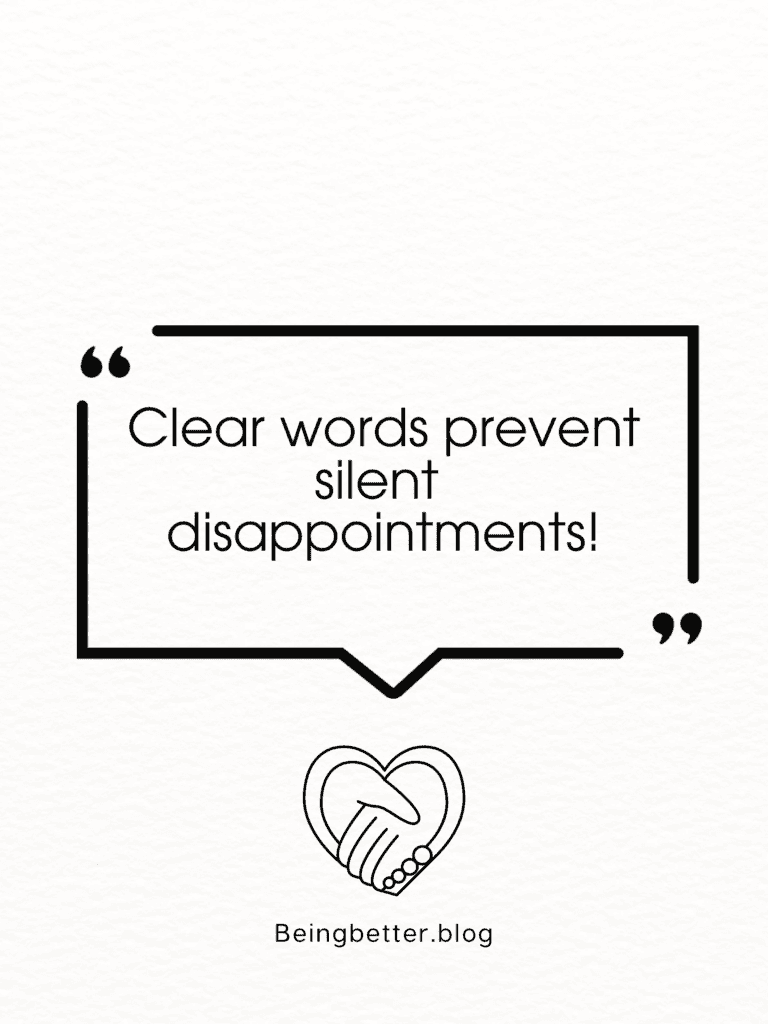
When we don’t speak our needs out loud, they usually go unmet.
And over time, that gap grows into disappointment or even resentment.
The partner who’s waiting feels invisible.
The partner who’s unaware feels like they can’t do anything right.
It’s not about how much you love each other.
It’s about how clearly you communicate that love.
What Happens When We Expect Intuition Instead of Communication
💔 You both end up feeling misunderstood
💔 Disconnection grows—because assumptions replace conversations
💔 Resentment builds silently and surfaces unexpectedly
And suddenly, one small thing like leaving the dishes can turn into a full-blown argument that has nothing to do with dishes.
What to Do Instead: Communicate Your Needs Clearly (and Kindly)
Clarity is a love language.
You deserve to express what you need. And your partner deserves the chance to meet that need—with understanding, not guessing.
✅ Try saying:
- “I’ve been feeling a little off lately—could we plan a quiet night in this weekend?”
- “It would mean a lot to me if we could sit and talk without phones for a while.”
- “I could really use your support today. Can I vent a bit?”
Helpful Tips for Clear and Healthy Expression:
- 💬 Use calm, honest “I” statements instead of hinting or guilt-tripping
- 💞 Assume your partner wants to show up for you—they just need direction
- 🧘♂️ Let go of the fairytale that “real love doesn’t need words”—real love thrives on them
- ✨ Make expressing your needs a normal part of your relationship rhythm
Speak Your Love and Needs Out Loud
No one wins the guessing game in relationships.
But you both win when love comes with words, not assumptions.
So go ahead—say what’s in your heart.
Not because they should know, but because you deserve to be heard.
Communication is a Skill, Not a Gift
No couple gets communication perfect all the time. The goal isn’t perfection—it’s awareness and effort.
Start small. Pick one mistake you relate to and gently work on it. With love, patience, and daily intention, your conversations can become a safe space where both of you feel seen and supported.
Which of these habits do you want to improve together? Let this be your next relationship growth step.